The SciFront Collective runs a suite of programs that strengthen how science is taught, learned, understood, and applied across India. Our work spans three core areas: Teacher Fellowships & Training, AI for Learning & Inclusion, and Open Science & Open Access Policy. Each program is designed to address a specific challenge in India’s education and public science ecosystem — from classroom practice to technology adoption to knowledge access.
We combine expert-led sessions, hands-on learning, and mentorship to ensure participants gain both clarity and confidence. Our delivery model blends online and in-person formats, supported by regional hubs and partner institutions. By aligning with NEP 2020 and national development priorities, our programs aim to build a generation of teachers, youth, and institutions that see science as a shared public responsibility.
Explore each program below.
Teacher Fellowships & Training
PROBLEM

Teachers often work without structured support, up-to-date tools, or opportunities to build inquiry-based, inclusive classrooms. Many feel isolated in their practice, unable to access peer networks or continuous professional development. This limits student engagement and reduces exposure to real scientific thinking.
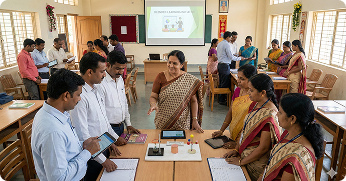
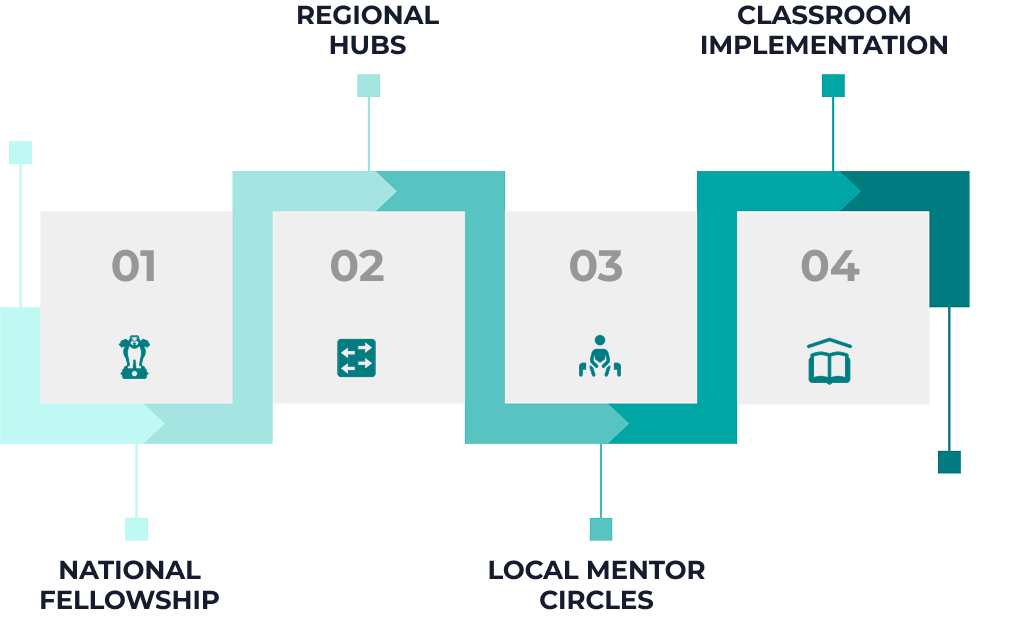
We offer blended fellowships, modular workshops, and mentoring circles that strengthen pedagogy, digital confidence, and curriculum alignment. Teachers learn through hands-on activities, model lessons, and peer collaboration. Our cascade model enables trained fellows to guide colleagues in their own districts.
Outcomes
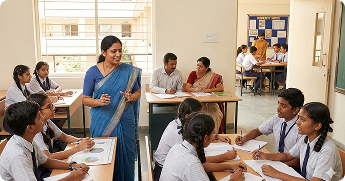
Educators gain stronger facilitation skills, deeper subject understanding, and practical strategies for engaging diverse learners. Fellows report increased confidence, better classroom participation, and improved student inquiry. The ripple effect reaches entire schools and communities through peer mentoring and resource sharing.

Timelines & Cohorts
● Quarterly pilot cycles
● 6–8 week onboarding and training
● Impact reporting shared with partners
Who Should Join
Ideal for institutions committed to inclusive, future-ready education
School teachers teaching in Classes 6 to 12

Educators interested in inquiry-based learning

Teacher trainers and academic coordinators

STEM mentors and facilitators
PROBLEM
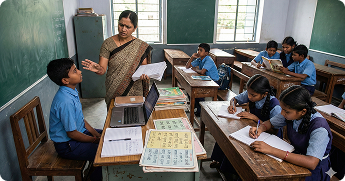
Teachers face heavy workloads, diverse learning paces, and multilingual classrooms. Traditional tools don’t adapt to real-time needs, limiting the personalization required for inclusive learning. Schools struggle to integrate technology meaningfully without
overwhelming teachers.
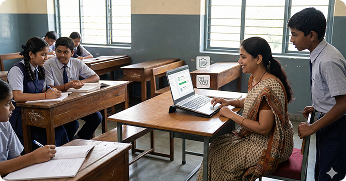
Outcomes
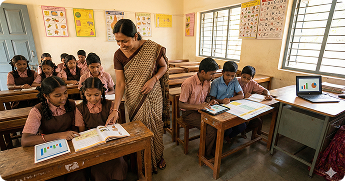
Teachers save time while gaining insight into student progress. Learners receive
individualized feedback and accessible content across languages. Schools experience improved engagement and smoother digital adoption. AI becomes a quiet assistant, not a replacement for teacher expertise.
Timelines & Cohorts
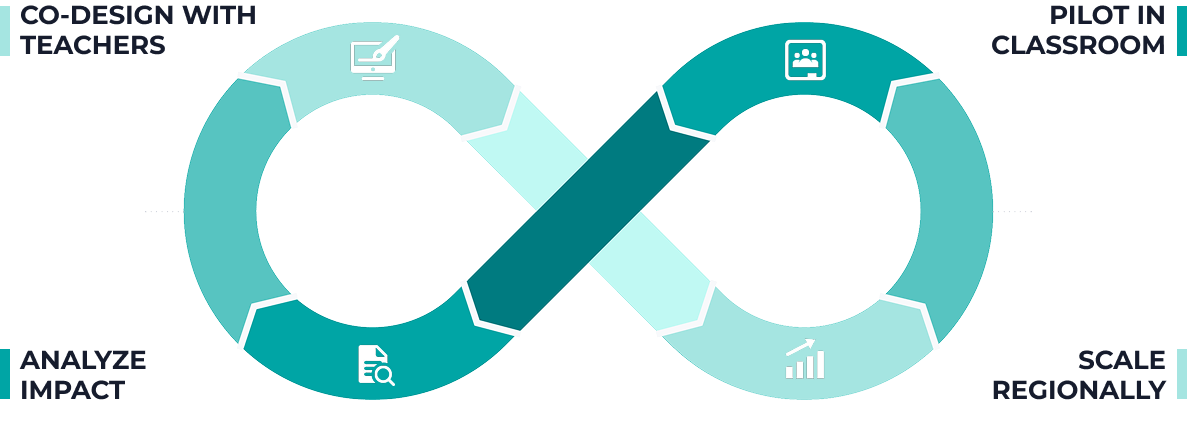
● Quarterly pilot cycles
● 6–8 week onboarding and training
● Impact reporting shared with partners
Who Should Join
Ideal for institutions committed to inclusive, future-ready education

School teachers teaching in Classes 6 to 12

Educators managing diverse or multilingual classrooms

CSR partners investing in EdTech access

Institutions wanting responsible AI adoption
Open Science & Open Access Policy
PROBLEM

Scientific knowledge remains gated — behind paywalls, complex formats, or limited awareness. Schools, colleges, and communities often lack access to research that can inform learning, local problem-solving, or civic participation.
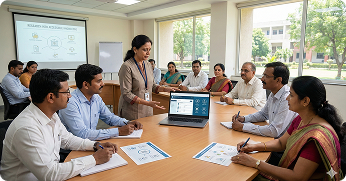
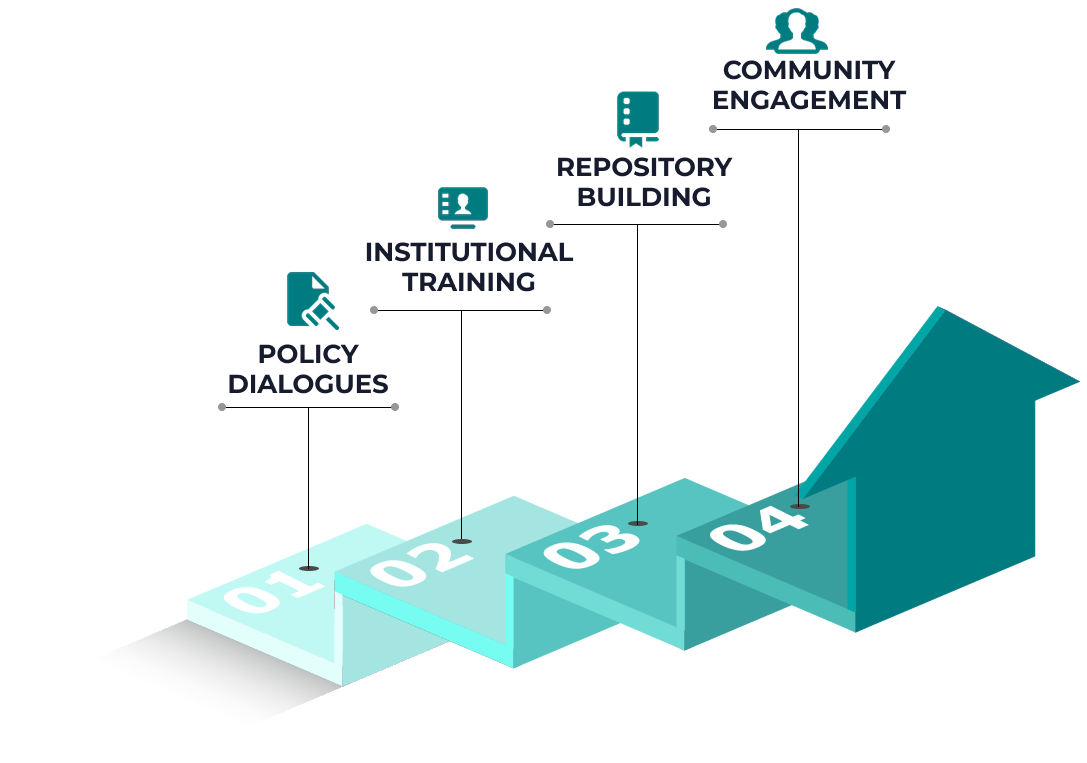
We build open repositories, train institutions in licensing and data ethics, and run policy dialogues that bring together researchers, educators, and decision-makers. Our programs translate research into accessible formats and promote evidence-based decision-making.
Outcomes
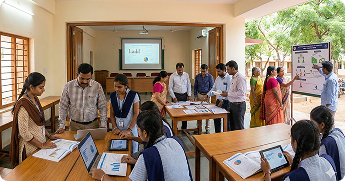
Learners engage with real data, teachers access free and contextual materials, and
institutions adopt open access models aligned with national frameworks. Communities benefit through transparent, participatory science that serves local priorities
Timelines & Cohorts
● Two institutional cohorts per year
● 12-week capacity-building program
● Quarterly open science roundtables
Who Should Join
Ideal for institutions committed to inclusive, future-ready education

Universities and research centers

Publishers and libraries

Policy groups and NGOs
